Civil forecast window from sunset into tomorrow’s sunrise.
Night Planner
A practical session plan for Glasgow, Scotland: cloud breaks, visibility, moon impact, target fit, and a setup checklist in one place.
proper claggy skies, gie it time
crystal clear horizons the length o' the Clyde
Waning Gibbous
Over Glasgow, Scotland just now it's proper dreich with roughly 100% cloud and visibility sitting near 18.5 km.
Recommended Targets
Ranked by tonight score, moon impact, and target type.
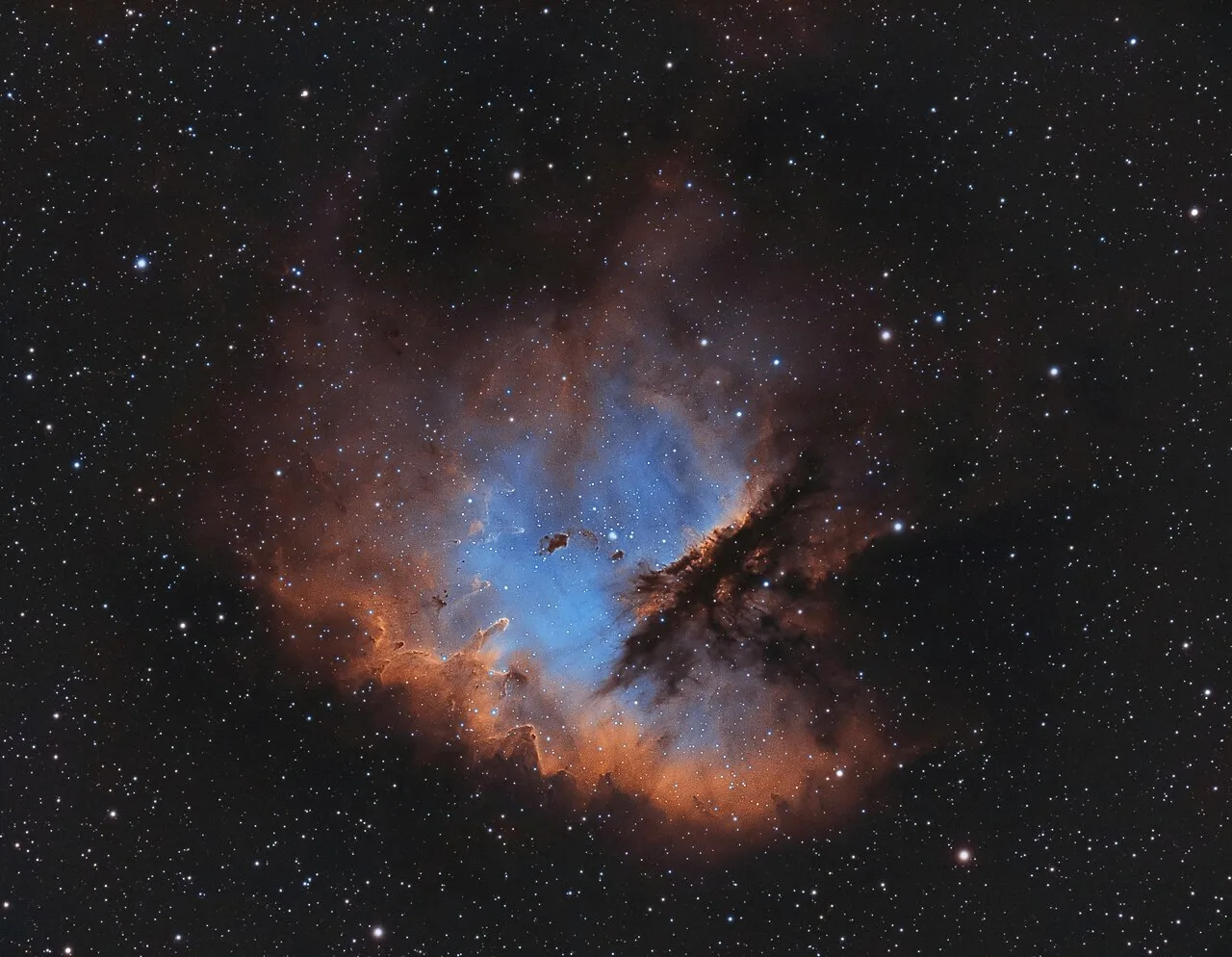
North America Nebula
35Combine with the Pelican for a dramatic Cygnus coastline. Peaks near 00:00 at roughly 78 deg altitude.
Strategy: Good moonlit choice with narrowband filters.
Gear: Wide-field optics with narrowband filters
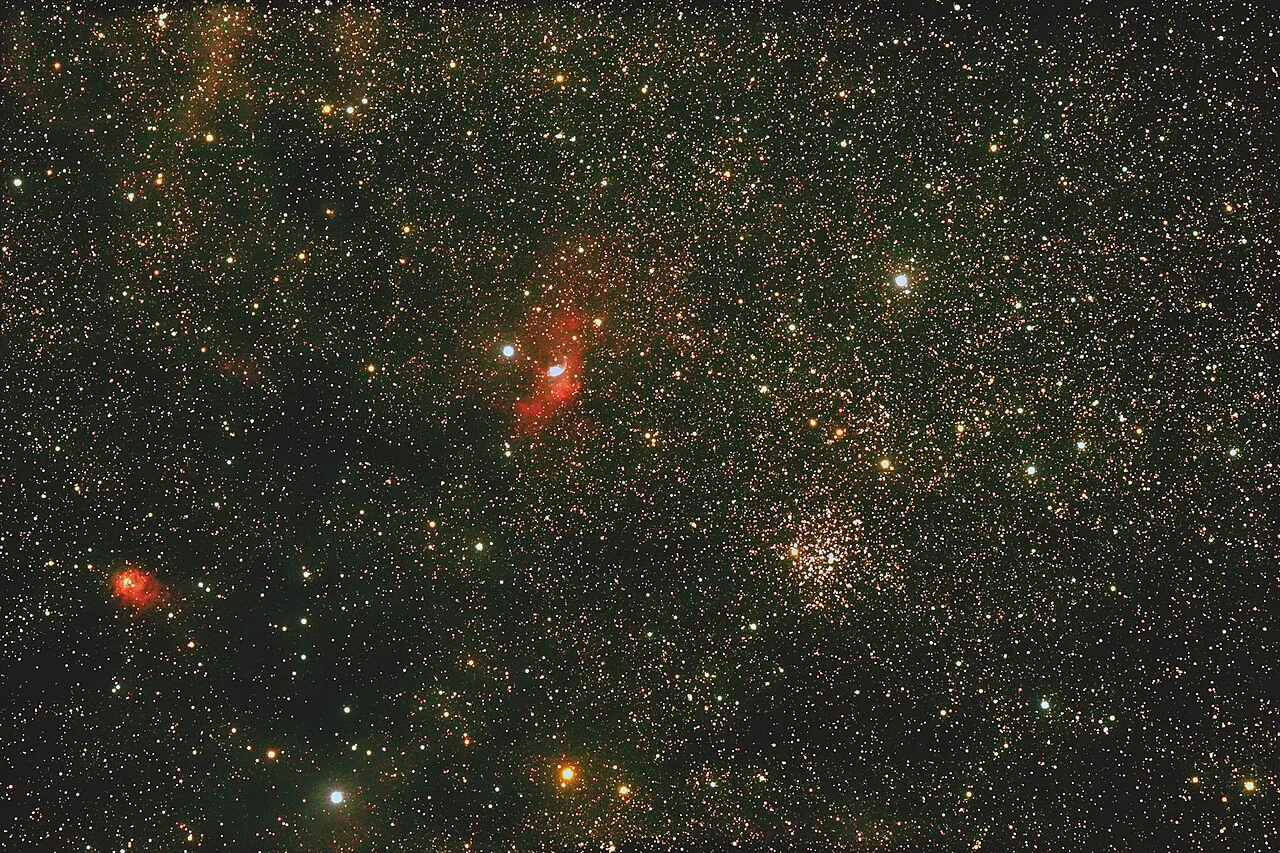
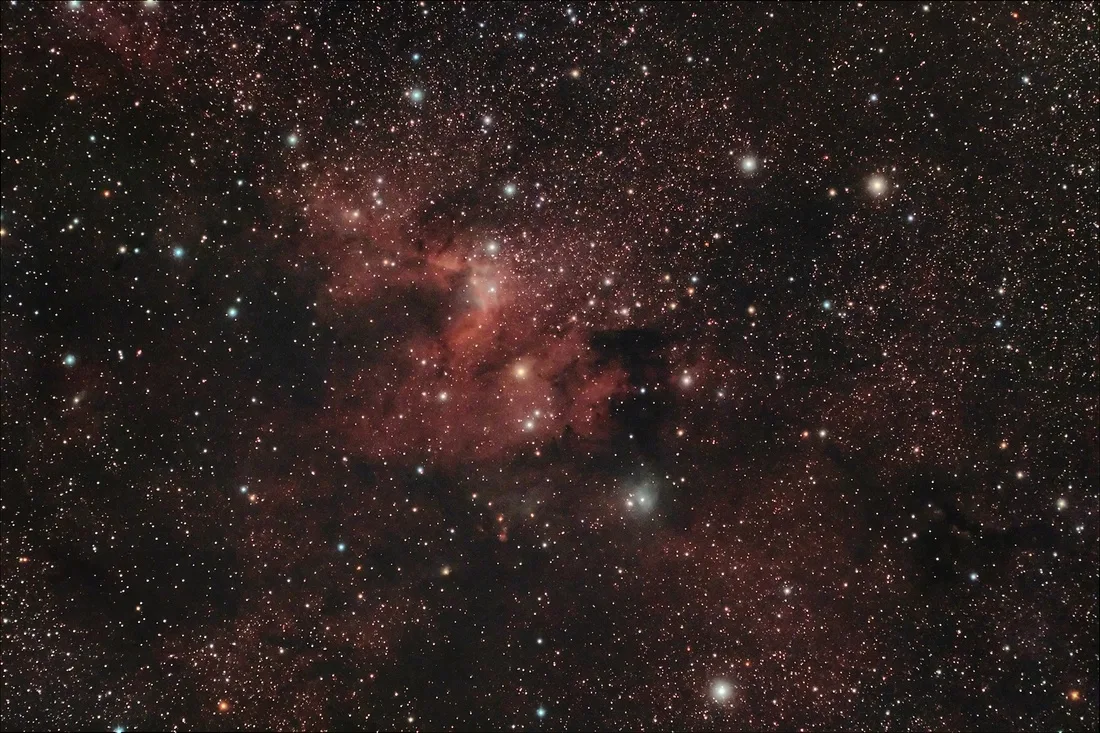
Crescent Nebula
35Wolf-Rayet stellar winds carve the luminous bubble. Peaks near 23:00 at roughly 72 deg altitude.
Strategy: Good moonlit choice with narrowband filters.
Gear: Fast optics with narrowband filters
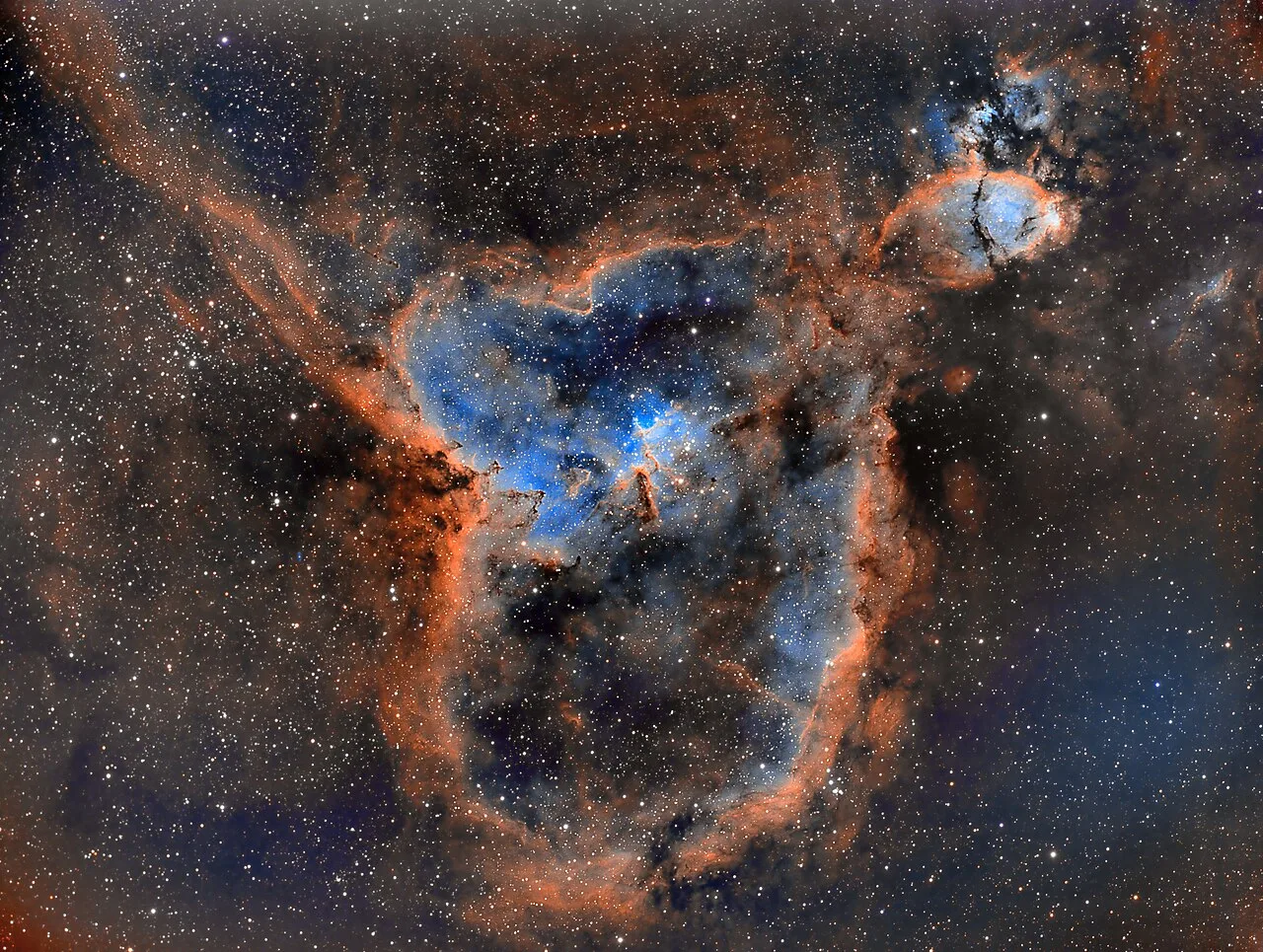
Heart Nebula
35Pair with the Soul Nebula for a sweeping Cassiopeia mosaic. Peaks near 03:00 at roughly 72 deg altitude.
Strategy: Good moonlit choice with narrowband filters.
Gear: Fast optics with dual-narrowband filters
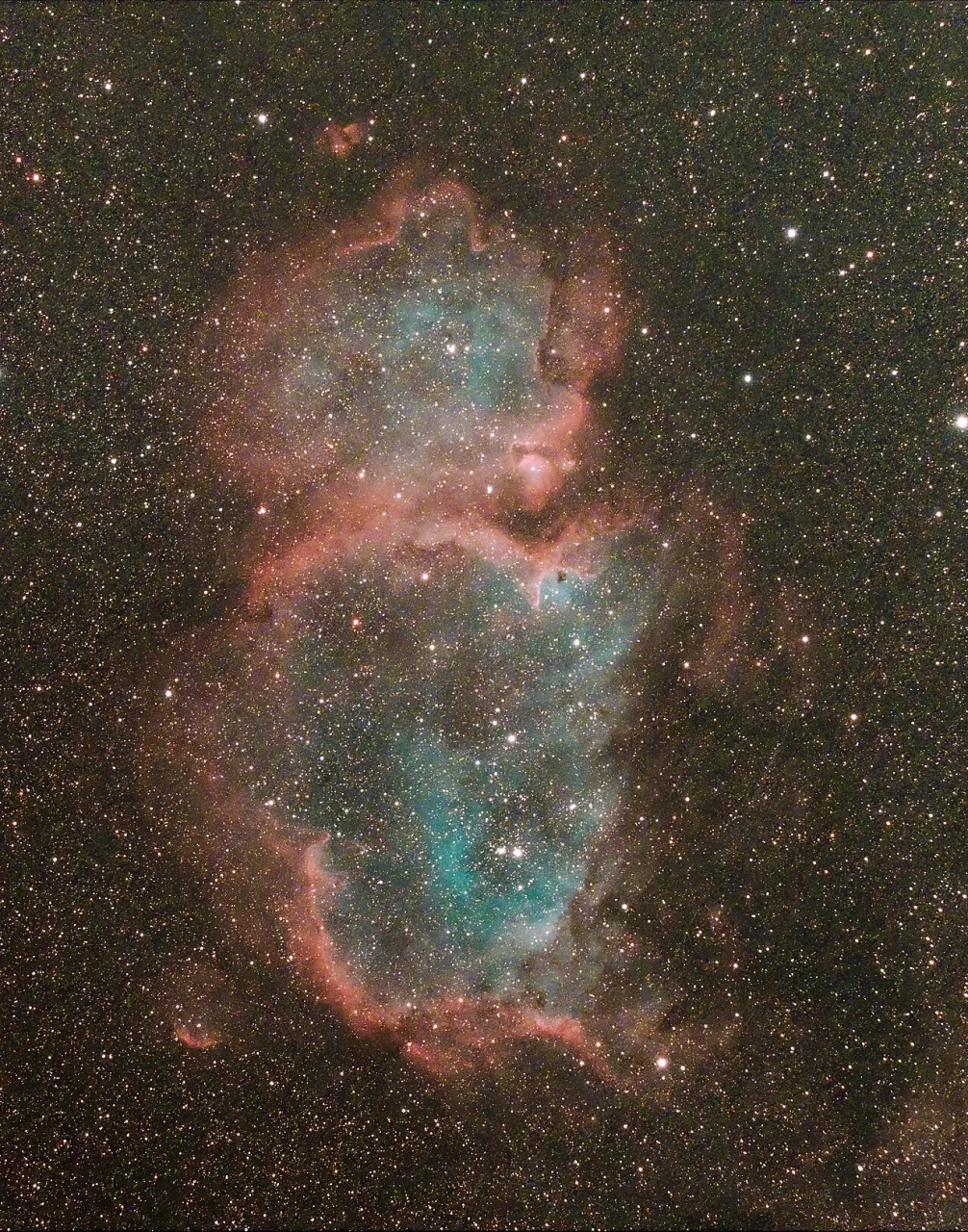
Soul Nebula
35A favourite wide-field partner to the Heart Nebula. Peaks near 03:00 at roughly 70 deg altitude.
Strategy: Good moonlit choice with narrowband filters.
Gear: Fast optics with dual-narrowband filters
Hercules Globular Cluster
25A summer globular bursting with faint blue stragglers. Peaks near 21:00 at roughly 65 deg altitude.
Strategy: Forgiving target for imperfect transparency.
Gear: Medium aperture scope to resolve the core
Andromeda Galaxy
7Sweep up the satellite galaxies M32 and M110 in wide-field frames. Peaks near 03:00 at roughly 75 deg altitude.
Strategy: Moon-sensitive. Wait for darker hours or save for another night.
Gear: Short focal length scope and dark skies
Very bright moon. Treat this as a narrowband, lunar, planetary, calibration, or equipment-tuning night.
- Confirm cloud breaks 60 minutes before travel.
- Pre-cool optics and pack dew control.
- Sync mount, polar align, and run a short test exposure.
- Have a short lunar, planetary, or calibration fallback plan.
- Prioritise narrowband or bright clusters while the moon is high.